

The Rise of Regional Leagues: Fueling Grassroots Growth in Indian Sports
A New Dawn for Indian Sports
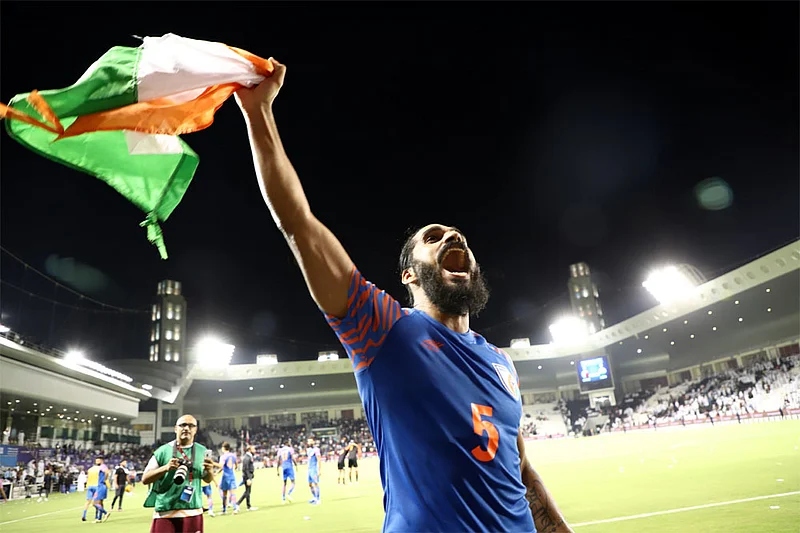
The launch of the Pro Kabaddi League (PKL) in 2014 was a landmark moment. It proved that a sport deeply rooted in Indian soil, but lacking mainstream exposure, could be reimagined into a national spectacle. The league’s success sparked the birth of several regional and national leagues, including the Premier Badminton League (PBL), Ultimate Kho Kho (UKK), the Indian Super League (ISL), and Prime Volleyball League (PVL). More recently, even state-specific tournaments like the Tamil Nadu Premier League (TNPL) in cricket and the Mizoram Premier League in football have gained traction.
These leagues, supported by franchise models and televised broadcasts, have fundamentally altered the perception of non-cricket sports. Today, a talented young kabaddi player in a tier-2 town no longer dreams only of government jobs or representing India in a far-off future—there are now more immediate, visible opportunities to play professionally, gain recognition, and even earn a sustainable income.
Bridging the Urban-Rural Divide
One of the most powerful outcomes of regional leagues is their ability to bridge the gap between urban centres and rural sporting talent. India has always had an abundance of raw sports potential, especially in rural and semi-urban regions. However, this talent often remained untapped due to lack of infrastructure, access, and opportunities.
With the rise of regional leagues, scouting systems have evolved to penetrate deeper into India’s sporting heartlands. Youngsters from villages in Haryana, Maharashtra, Punjab, Kerala, and the North-East are being drafted into professional setups, trained by top-tier coaches, and groomed to compete at the national and international levels.
Infrastructure and Investment Boost
The proliferation of regional leagues has catalysed investment in sports infrastructure at the grassroots. Franchises and league organisers are working closely with state associations and private academies to develop better training facilities, stadiums, and fitness centres. In turn, this development attracts further investment, whether in the form of local sponsorships, school-level tie-ups, or CSR initiatives by corporates aiming to contribute to India’s sports story.
The ripple effect extends beyond athletes. It boosts local economies, creates jobs for physiotherapists, trainers, statisticians, ground staff, content creators, and broadcasters, further solidifying sports as a viable industry in smaller cities and towns.
Driving Aspirations and Changing Mindsets
Perhaps the most understated contribution of regional leagues is their role in altering mindsets. For decades, sports outside cricket were seen as risky career choices, especially in middle-class households. The success stories born out of these leagues—whether it’s a kabaddi player becoming a household name or a footballer from a small town getting picked by a top-tier club—have sparked a wave of optimism.
Parents are now more willing to support their children’s sporting dreams, schools are integrating structured sports programs, and youth are motivated by the visibility and respect athletes command through league platforms.
The Road Ahead
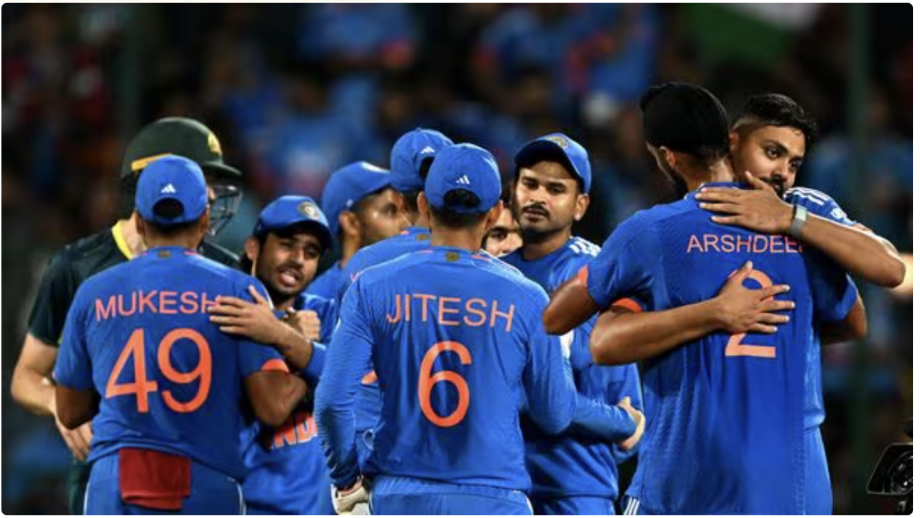
While regional leagues have laid the foundation, sustaining their momentum requires deeper collaboration between sports federations, private investors, and government bodies. Transparent governance, long-term talent nurturing programs, and educational integration will be key to ensuring that these leagues don’t just serve as momentary entertainment but evolve into powerful engines for sports development.
There’s also a need to ensure equitable attention across genders. Women’s leagues in kabaddi, football, and other sports are beginning to emerge but still lack the visibility and investment of their male counterparts.
Conclusion
The rise of regional leagues has been nothing short of transformative for Indian sports. By decentralising opportunities, celebrating local heroes, and building sporting ecosystems in non-metro regions, they are lighting the path for a more inclusive and vibrant sports future. The grassroots movement is no longer a concept—it is an unfolding reality, with regional leagues at its beating heart.